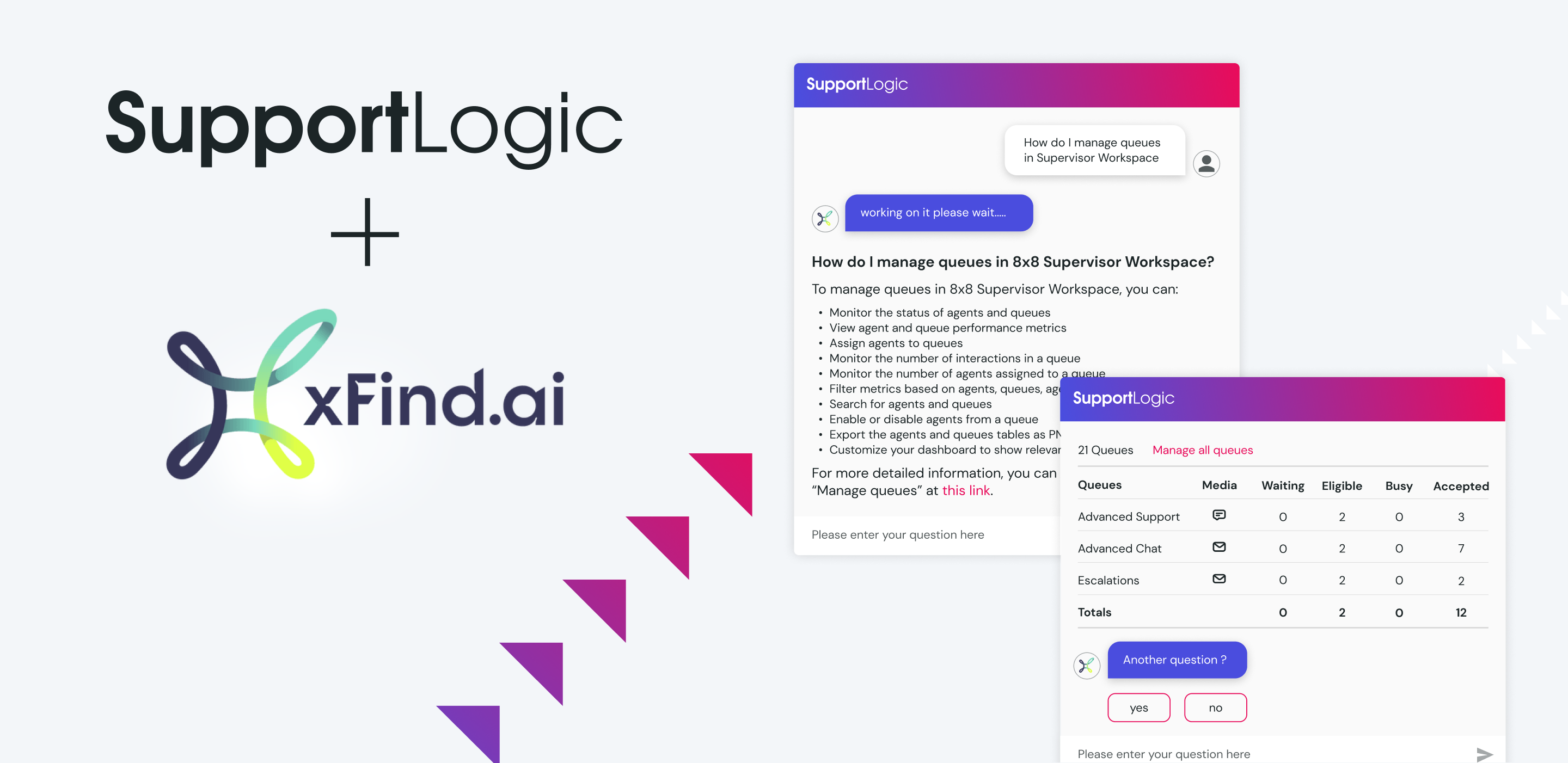
Why We Added xFind to SupportLogic: Powering Up Customer Service with Fast, Accurate Knowledge
Read More
Aug 01, 2024

Wednesday, January 28, 2026
11am PST • 2pm EST
Your AI agents are only as good as the context they can reach.
In this session, we’ll introduce the SupportLogic MCP Server. A technology preview that lets you fuse SupportLogic’s signal intelligence (sentiment, frustration, escalation risk) and generative capabilities (summarization, draft replies) with your internal or third-party agents via the Model Context Protocol (MCP).
We’ll walk through a live demo where an agent, via MCP, pulls a multi-email thread (e.g., Gmail), runs SupportLogic signal extraction, generates a grounded draft response, and posts it without hopping across UIs.
You’ll see how MCP helps an agent sense what’s happening, decide what to do, and act on it — with built-in trust checks along the way and easy connection to the tools you already use.
What You’ll Learn:
If you’re building or buying agents, you need reliable customer context. This session shows a practical path to plug SupportLogic’s AI into your agent stack—so responses are faster and grounded in real customer signals.



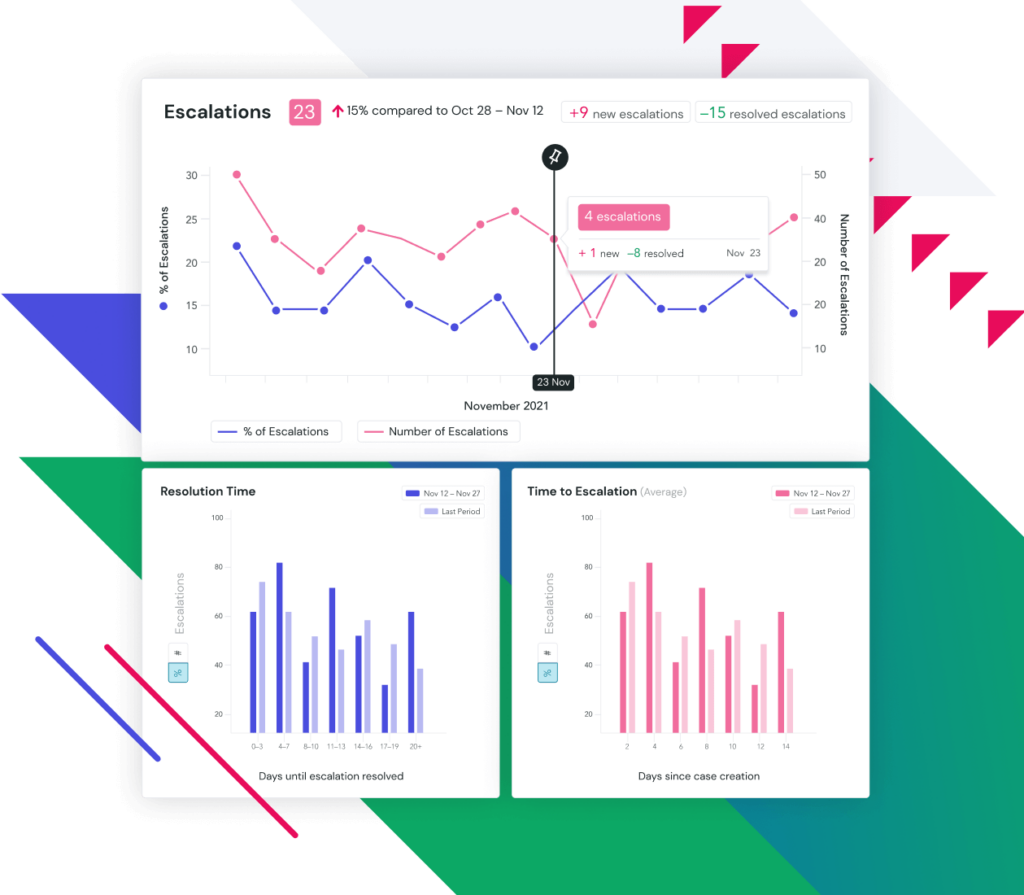
The Continuous Support Experience Platform

